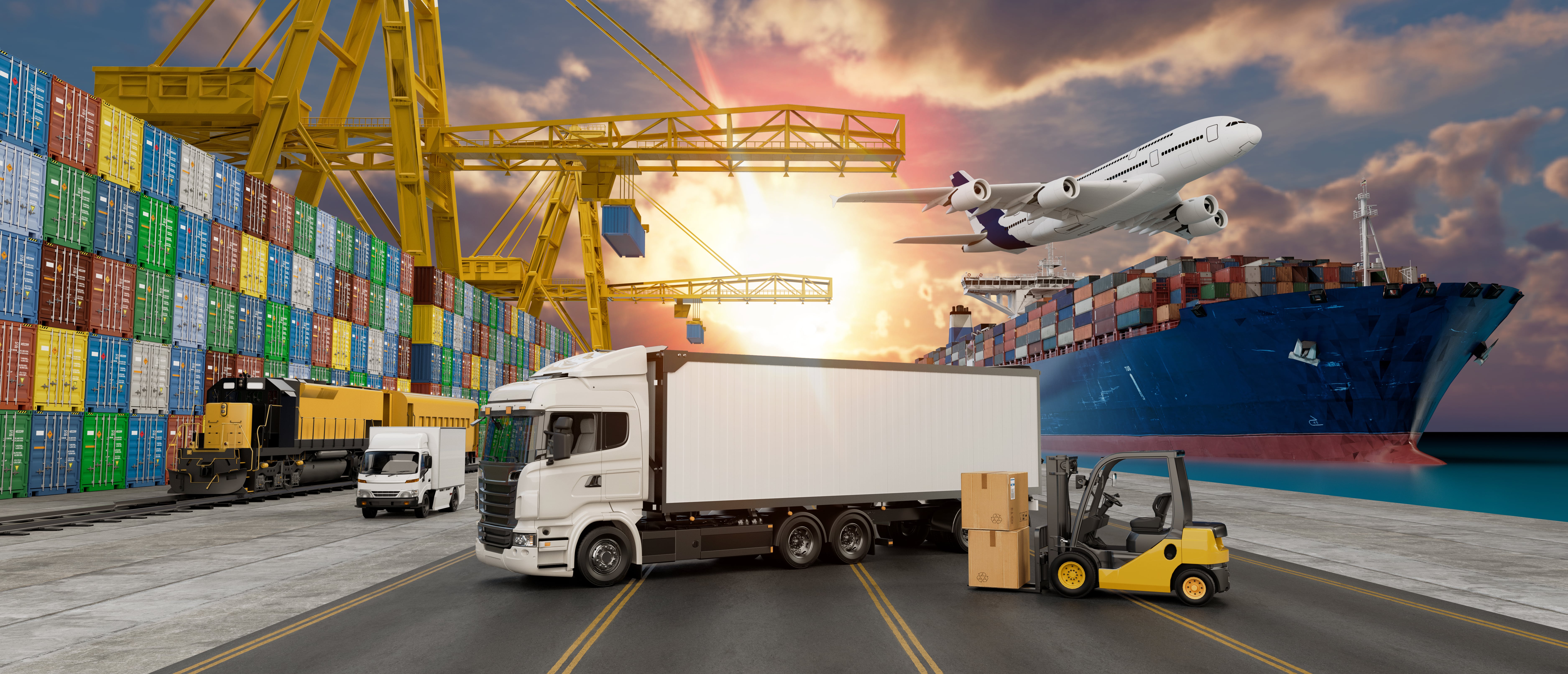
The logistics industry is changing fast. Old methods are no longer enough to handle global demand, changing freight rates, and customers who want quick and clear updates. Today, Artificial Intelligence (AI) is helping companies work smarter, faster, and more efficiently.
AI-powered Transportation Management Systems (TMS), like Load Champ, are becoming very important. They help logistics companies plan trips, choose the best routes, manage loads, and run daily operations with great accuracy.
As supply chains become more complicated, businesses are using AI to cut costs, remove guesswork, and stay ahead of the competition. From predicting freight rates to smart customer service bots, AI is shaping the future of transportation management.
The Rise of AI-Powered TMS Platforms
Traditional TMS platforms were designed primarily for planning and tracking, but today’s logistics challenges require far more advanced capabilities. This is where AI-powered tools like Load Champ stand out. These systems integrate machine learning, automation, and real-time data to make smarter decisions, reduce human error, and streamline operations.
AI-enabled TMS platforms deliver benefits such as:
- Route optimization using live traffic, weather, and load data
- Automated carrier selection based on performance and pricing
- Faster response time through automated workflows
- Improved profitability by reducing empty miles and inefficient routes
With AI managing repetitive and data-heavy processes, logistics teams can focus on strategy, customer service, and business growth instead of day-to-day manual tasks.
Predictive Analytics: The New Powerhouse of Freight Planning
Predictive analytics is no longer a luxury; it has become essential for logistics companies dealing with fluctuating freight rates and unpredictable supply chain conditions. AI takes massive amounts of historical and real-time data—fuel prices, weather patterns, seasonality, capacity trends, and market behavior, and translates it into actionable insights.
Predictive Freight Rates
AI models can forecast rate changes days, weeks, or even months in advance. This allows shippers and brokers to negotiate better prices, plan budgets accurately, and avoid last-minute rate spikes.
Smart Routing Decisions
AI-based routing tools evaluate multiple variables, including road closures, driver availability, distance, and delivery urgency, to generate the most efficient path. This not only reduces transit time but also cuts fuel costs and improves on-time performance.
Capacity Planning Optimization
Logistics companies often face uncertainty regarding truck availability and demand. With predictive analytics, a TMS can anticipate:
- Upcoming demand surges
- Capacity shortages
- Seasonal fluctuations
- Carrier performance risks
This empowers companies to prepare in advance, allocate the resources needed, and stay ahead of competitors who rely on traditional planning methods.
In short, predictive analytics transforms the supply chain from reactive to proactive.
AI Bots: The New Frontline of Customer Service
Customer expectations in logistics have evolved. They want:
Real-time updates
Faster response times
Accurate information
24/7 support
AI-powered customer service bots are answering this demand effortlessly.
Instant Query Handling
Instead of waiting for a representative, customers can interact with an AI bot that provides instant information about shipment status, delivery times, freight rate quotes, and more.
Automated Document Assistance
From bill of lading downloads to POD requests, bots help customers access important documents quickly.
Reduced Workload on Human Teams
Support teams no longer spend hours answering repetitive questions. AI handles the routine, while humans manage exceptions and complex issues.
With every interaction, AI bots learn and improve, resulting in smarter and more accurate responses over time.
AI-Driven Load Matching: Faster, Smarter, and More Profitable
Load matching has historically been a challenge—pairing the right load with the right truck at the right time requires speed and precision. AI solves this with intelligent matching algorithms that consider:
- Truck locations
- Carrier performance
- Historical acceptance rates
- Driver hours
- Weather and traffic impact
- Market pricing
By automatically suggesting the best load-carrier combinations, AI drastically reduces empty miles, increases fleet utilization, and improves margins for both carriers and brokers.
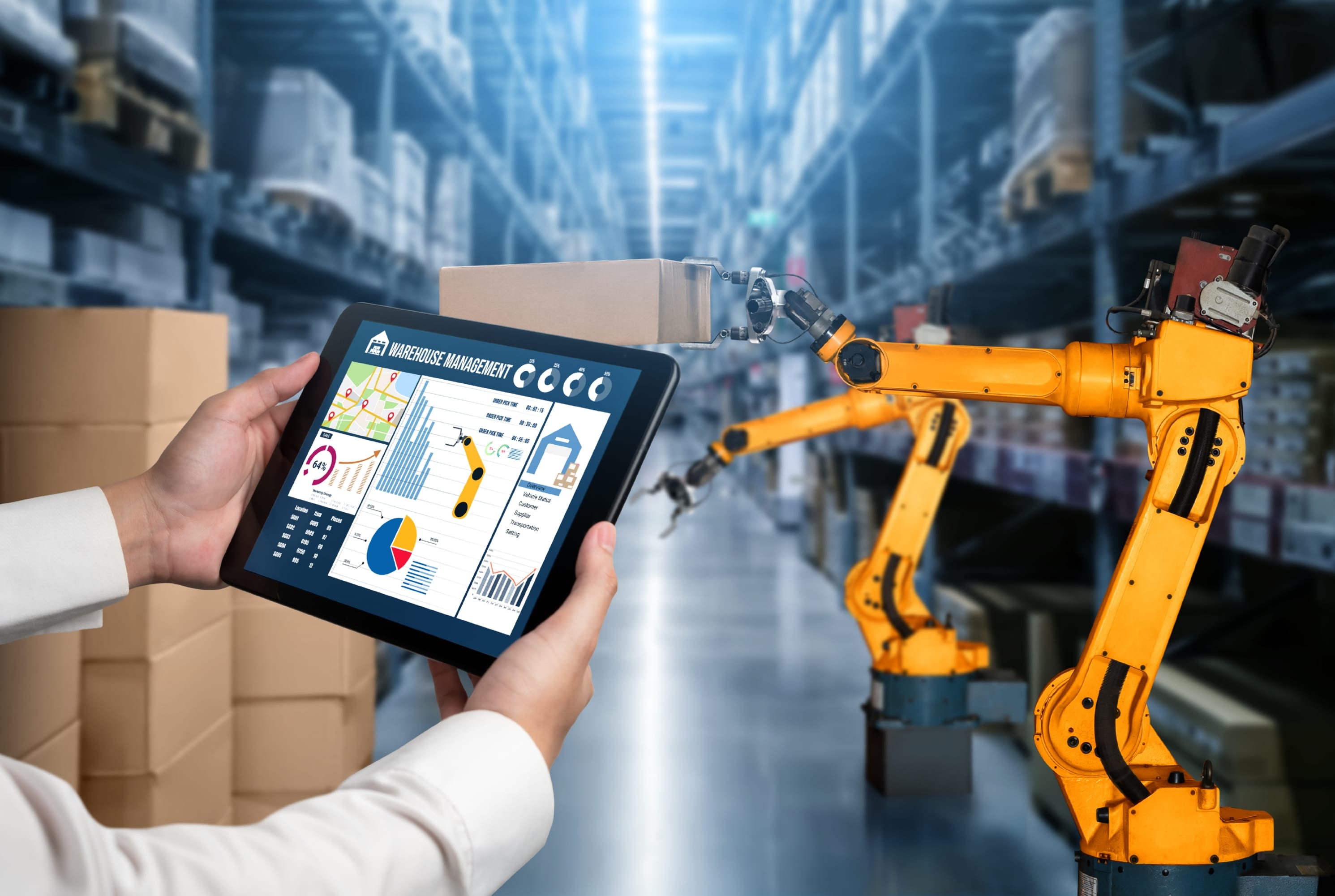
Platforms like Load Champ are already using AI to automate dispatching, reduce manual errors, and improve the reliability of delivery commitments.
AI-powered TMS systems are no longer just basic tools, they are important assets that help logistics companies work smarter, faster, and more profitably. With features like predictive analytics, smart route planning, automated customer support, and intelligent load matching, businesses can solve many industry problems and offer smooth, reliable logistics services.
Companies that start using AI now will not only improve their daily operations but also become strong leaders in the future of global supply chain management.

-min-1763722885109.jpg)